
The Australian Government launched the Cheaper Home Batteries Program on 1 July 2025. The program helps eligible households, small businesses and community organisations reduce the upfront cost of solar battery storage. As a result, more Australians can consider storing excess solar electricity for later use. The program also supports Australia’s transition towards renewable energy.
However, rebate amounts and eligibility requirements have changed since the original announcement. This guide explains how the program works, who may qualify and what Tasmanian households should consider.
What Is the Cheaper Home Batteries Program?
The Cheaper Home Batteries Program is a federal government initiative that supports eligible solar battery installations. It operates through the Small-scale Renewable Energy Scheme (SRES).
Understanding the original rebate
When the government announced the program in 2025, it promoted an approximate 30% discount. Early program information also referred to support of around $370 per kilowatt-hour of eligible battery capacity. However, these original figures do not represent a guaranteed discount for every installation.
How the program works today
The program uses Small-scale Technology Certificates (STCs) to help reduce installation costs. Eligible battery systems generate certificates according to the applicable scheme rules. The number of certificates depends on factors such as battery capacity and installation date. Therefore, customers should request a current rebate estimate rather than relying on historical figures. For current requirements, visit the Australian Government’s Cheaper Home Batteries Program.
How Does the Home Battery Rebate Work?
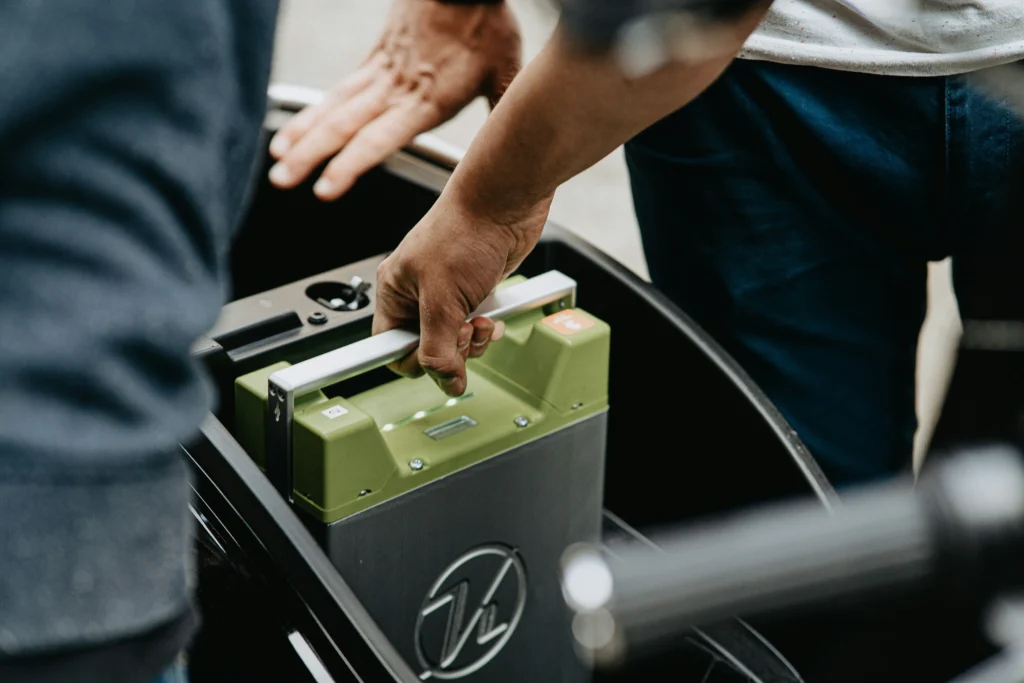
The rebate helps reduce the upfront cost of eligible battery installations. In many cases, the installer or retailer applies the certificate value directly to the quote. As a result, customers can see the available discount before proceeding.
How installers calculate the discount
The installer considers the battery’s eligible capacity and the current certificate calculation. Additionally, certificate market values can affect the final discount. Therefore, the amount may vary between installations.
Why installation dates matter
The program officially commenced on 1 July 2025. Special transitional arrangements applied to certain installations completed before that date. However, those historical arrangements are no longer the main consideration for new customers. Instead, customers planning an installation should confirm the current eligibility and certification requirements.
Who Is Eligible for the Cheaper Home Batteries Program?
The program supports eligible households, businesses and community organisations across Australia. However, every installation must meet the applicable scheme requirements.
Property eligibility
Eligible residential and non-residential properties may qualify for support. Therefore, both homeowners and qualifying businesses can investigate the available discount.
Battery capacity requirements
The program supports eligible battery systems within the applicable capacity limits. Under the arrangements introduced in May 2026, eligible systems can have a nominal capacity from 5 kWh to 100 kWh.
However, certificate support applies only to the first 50 kWh of usable capacity. Additionally, the discount calculation varies across capacity bands.
Solar panel requirements
The battery must connect to an eligible new or existing solar PV system. Therefore, customers should confirm that their solar installation meets the relevant requirements.
Installer and equipment requirements
Customers must choose appropriately accredited installers and eligible equipment. Solar Accreditation Australia administers the relevant solar and battery installer accreditation framework. Additionally, installers must follow applicable electrical safety and installation requirements.
Virtual Power Plant compatibility
Eligible grid-connected batteries must meet the program’s Virtual Power Plant (VPP) capability requirements. However, customers do not have to join a VPP simply to access the rebate. Off-grid systems have different requirements.
Rebate limitations
The program includes rules that restrict how customers can claim battery certificate support. Therefore, owners of multiple properties should confirm eligibility for each installation. Customers should also check whether an existing battery installation affects their eligibility.
Benefits of the Home Batteries Program
Battery storage offers several potential benefits for households with solar panels. However, the results depend on electricity usage, battery capacity and system configuration.
1. Lower upfront installation costs
Government support can reduce the initial cost of an eligible battery system. As a result, households may find battery storage more affordable. However, the final price still depends on the equipment and installation requirements.
2. Greater use of solar electricity
Solar panels often generate excess electricity during daylight hours. A battery can store some of this energy for later use. For example, households may use stored solar electricity during the evening. Therefore, battery storage can reduce reliance on imported electricity.
3. More control over electricity use
Battery storage gives households greater flexibility in managing their solar generation. Additionally, some systems offer monitoring tools that show electricity production and consumption. These features can help households understand their energy usage.
4. Backup power options
Some battery systems can provide electricity during a grid outage. However, backup power is not automatic with every installation. Therefore, customers should confirm the system’s backup capability before purchasing.
5. Environmental benefits
Battery storage helps households use more of their renewable solar electricity. As a result, it can support more flexible energy use and reduce reliance on grid electricity. However, the environmental benefit depends on how the system operates.
Solar Battery Storage in Tasmania
Tasmanian households can access the national program when their installations meet the eligibility requirements. For many properties, a battery offers a practical way to use more rooftop solar electricity.
Consider your household electricity use
First, review how much electricity your household consumes. Next, consider when you use that electricity. For example, households with higher evening demand may benefit from storing excess daytime solar generation.
Choose the right battery capacity
A larger battery does not automatically provide better value. Instead, the system should match your solar generation and household electricity requirements. Additionally, future changes may influence your decision. These could include electric vehicles, heat pump hot water or additional household appliances.
Consider Tasmania’s seasonal conditions
Tasmania experiences significant seasonal changes in solar generation. Therefore, battery performance and charging opportunities may vary throughout the year. A professional assessment can help identify a suitable system.

How to Claim the Home Battery Rebate
The process usually begins with an accredited installer or battery retailer.
Step 1: Arrange a consultation
Contact a suitably accredited installer to discuss your electricity needs. First, review your existing solar system or proposed solar installation. Then, consider which battery options suit your property.
Step 2: Request a detailed quote
Your installer should explain the proposed battery system and installation requirements. The quote should also identify the estimated government discount. Additionally, ask about warranties, monitoring features and backup power options.
Step 3: Confirm eligibility
Before accepting the quote, confirm that the proposed equipment meets current program requirements. Your installer should also explain the relevant accreditation and documentation process.
Step 4: Complete the installation
An appropriately accredited professional must undertake or supervise the installation as required. The electrical work must also comply with applicable safety standards.
Step 5: Complete the certificate process
In many cases, customers assign their STC rights to the installer or retailer. The business then applies the certificate value as an upfront discount. Alternatively, eligible customers may choose to manage their own certificate claim.
However, customers should understand the certificate assignment arrangements before signing.
For more information, read our guide to Cheaper Home Batteries eligibility.
Is the Cheaper Home Batteries Program Worth Considering?
For households with rooftop solar, battery storage may offer several advantages. For example, it can increase solar self-consumption and reduce electricity imports. Additionally, the government discount may reduce the upfront investment. However, financial outcomes vary between properties.
Therefore, customers should consider:
-
Existing solar system capacity.
-
Daytime and evening electricity use.
-
Battery installation costs.
-
Available government support.
-
Electricity tariffs and feed-in rates.
-
Battery warranties and expected performance.
-
Backup power requirements.
A site-specific assessment can help determine whether battery storage suits your household.
Take Charge of Your Energy Future
The Cheaper Home Batteries Program provides financial support for eligible battery installations across Australia. It can help households store more solar electricity and manage their energy use. However, selecting the right battery requires careful planning.
At Expert Energy Tasmania, we help customers understand their options and choose suitable solar battery storage solutions in Tasmania. Our team can explain installation requirements, available equipment and the current rebate process. You can also explore our Cheaper Home Batteries Program guide for further information.
Contact Expert Energy Tasmania today to arrange a consultation and request a free quote.
Information reviewed: October 2026. Program eligibility, certificate calculations and discount values can change. Confirm current requirements with the Clean Energy Regulator before proceeding.